
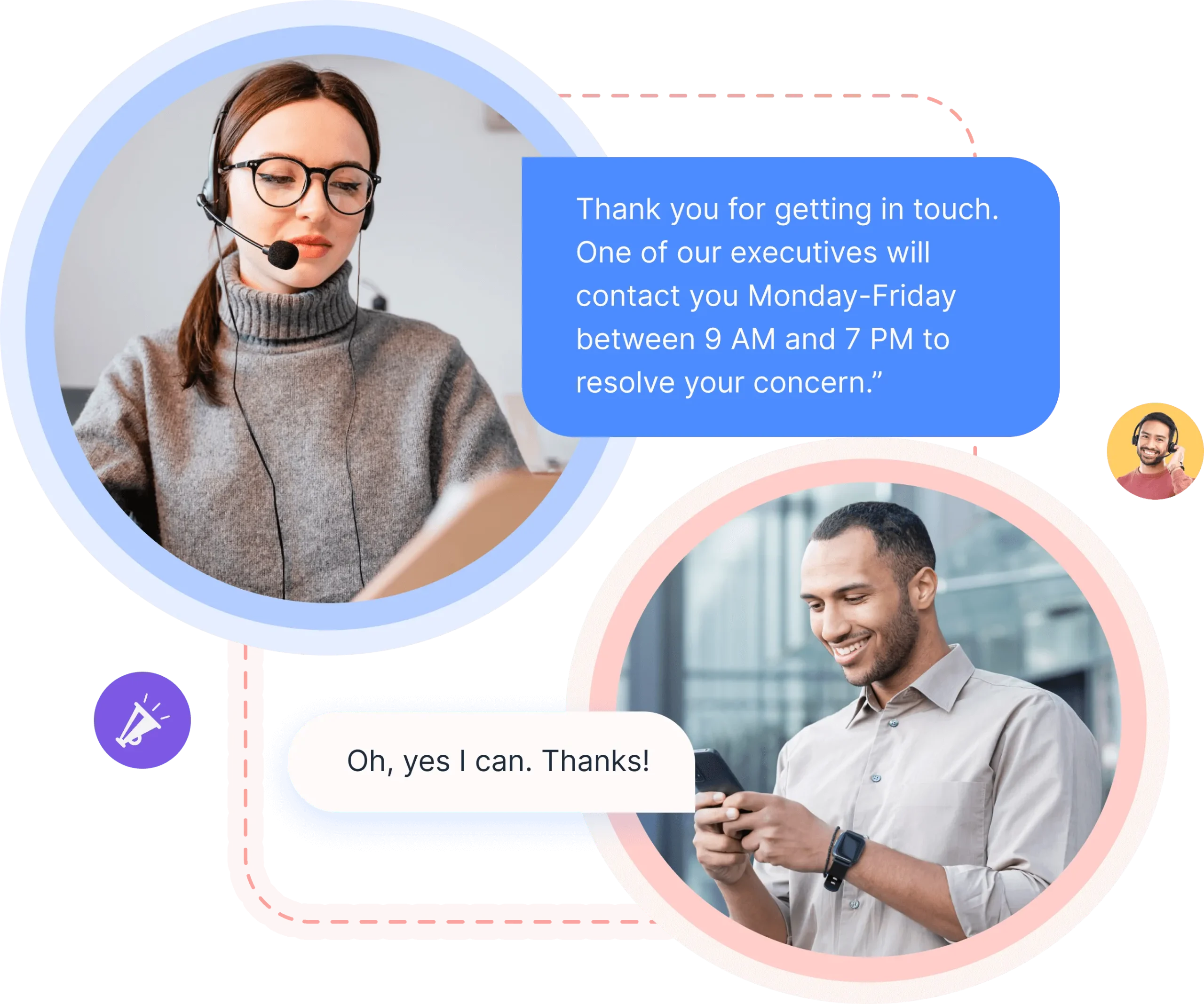
SMS-to-Call Helpline is transforming how businesses connect with their customers by combining the simplicity of text messaging with the immediacy of voice communication. This innovative solution allows users to initiate calls via SMS, making support more accessible, faster, and convenient than traditional contact methods.
Imagine a small utility company struggling to respond to hundreds of inquiries daily. By implementing an SMS-to-Call Helpline, they enabled customers to request a callback with a simple text, drastically reducing waiting times and improving satisfaction. This hybrid approach bridges digital and voice channels, ensuring every customer reaches the right support agent quickly.
Why Businesses Are Adopting SMS-to-Call Helplines
The adoption of SMS-to-Call Helpline systems is growing rapidly due to their cost-effectiveness and efficiency. Businesses no longer need extensive call center infrastructure to provide prompt support. Customers can initiate communication from anywhere, eliminating frustration associated with long hold times or unanswered calls.
In addition, SMS-to-Call solutions are ideal for businesses with mobile-first customers. Millennials and Gen Z, in particular, prefer texting over traditional phone calls. By offering a text-based gateway to voice support, companies meet modern expectations while retaining personal interaction.
Enhancing Customer Accessibility
Accessibility is one of the most significant advantages of an SMS-to-Call Helpline. Customers can reach support with minimal effort, which is especially valuable in regions with limited internet access or unstable connections. SMS requires less bandwidth than apps or email, allowing more people to communicate efficiently.
A healthcare provider implemented an SMS-to-Call Helpline to allow patients to request callbacks for appointment scheduling or medical inquiries. Patients with limited smartphone capabilities or slower data networks could easily access support, improving healthcare service delivery and patient satisfaction.
Real-World Success Stories
Consider a logistics company dealing with thousands of shipments daily. During peak periods, customers faced long wait times when calling traditional support lines. With an SMS-to-Call Helpline, clients could text to schedule a call or request immediate assistance. As a result, the company improved delivery updates, reduced missed calls, and enhanced overall customer trust.
Similarly, a financial services provider integrated SMS-to-Call functionality into its mobile platform. Customers could send a text requesting account assistance, and the system routed their requests to the most qualified agent. The result was faster response times, reduced errors, and stronger client relationships.
Streamlining Operations and Reducing Costs
Businesses benefit financially from adopting SMS-to-Call Helpline systems. Reduced need for large call center teams and office space leads to lower operational costs. Automated text processing can filter simple requests, ensuring agents handle only complex issues that require personalized attention.
Additionally, SMS-to-Call systems can manage high volumes of customer interactions efficiently. Peak periods no longer overwhelm support staff because messages are queued and distributed intelligently. This operational efficiency directly contributes to improved customer satisfaction and brand loyalty.
Technology Behind SMS-to-Call Helplines
Modern SMS-to-Call Helpline platforms integrate cloud-based technology, AI routing, and VoIP systems. AI analyzes incoming texts, determines urgency, and connects customers to the most appropriate agent. VoIP ensures high-quality voice communication, even when agents work remotely.
For example, a telecom company adopted AI-enabled SMS-to-Call technology to manage billing inquiries. The system prioritized urgent complaints, routed routine questions to automated responses, and connected complex issues to live agents. This integration significantly enhanced service efficiency.
Multilingual and Inclusive Support
Global businesses face diverse customer bases speaking multiple languages. SMS-to-Call Helpline platforms can be configured to handle multilingual communication, providing inclusive support. Customers can send texts in their preferred language, and the system connects them with fluent agents or automated translation tools.
A travel company serving international clients implemented multilingual SMS-to-Call functionality. Travelers from different regions could request immediate support in their language, resulting in higher satisfaction and fewer misunderstandings.
Security and Data Privacy
Secure handling of customer data is critical. SMS-to-Call Helpline systems employ encryption, secure APIs, and compliance with regulations like GDPR and HIPAA. These measures protect sensitive information while enabling seamless communication.
For sectors like finance and healthcare, security is paramount. A remote patient monitoring service, for example, relied on encrypted SMS-to-Call systems to schedule calls with healthcare professionals safely, ensuring patient confidentiality at every step.
Personalization and Customer Engagement
One of the major advantages of SMS-to-Call solutions is their ability to personalize interactions. By analyzing previous texts, purchase history, or support tickets, agents can approach each call with relevant context, creating a highly engaging customer experience.
An e-commerce platform used SMS-to-Call Helpline to provide personalized order support. Agents greeted customers by name, referenced their purchase history, and addressed issues proactively. This approach increased satisfaction and repeat purchases.
Remote Work and Flexibility
The rise of remote support teams aligns perfectly with SMS-to-Call Helpline technology. Agents can operate from any location while maintaining access to cloud-based tools. This flexibility enhances work-life balance and allows companies to hire top talent worldwide.
A SaaS company utilized remote agents connected through SMS-to-Call systems. Despite working from various countries, the team delivered seamless support, maintaining consistent service quality and response times.
Analytics and Performance Monitoring
SMS-to-Call platforms provide real-time analytics to monitor response times, call volumes, and agent performance. These insights allow managers to optimize operations, reduce wait times, and maintain high service standards.
For example, a retail brand analyzed SMS-to-Call metrics to identify peak inquiry periods. They adjusted staffing levels, implemented targeted follow-ups, and improved customer satisfaction scores. Data-driven insights are essential for continuous improvement in modern support systems.
Crisis Management and Continuity
Natural disasters, pandemics, or office closures can disrupt traditional support models. SMS-to-Call Helpline ensures continuity, as customers can request support via SMS from anywhere, and agents can respond remotely.
A regional bank faced a flood that forced branch closures. By utilizing SMS-to-Call Helpline systems, customers continued receiving timely assistance with transactions, account inquiries, and emergency support without interruption.
Combining AI with Human Agents
Artificial intelligence complements SMS-to-Call Helpline operations by filtering routine requests, identifying urgent issues, and routing inquiries efficiently. Human agents can then focus on complex problems, delivering empathetic and tailored solutions.
A telecommunications provider implemented AI-assisted SMS-to-Call support. The AI handled simple plan inquiries, while live agents assisted with outages, billing disputes, and technical troubleshooting. Customers appreciated the efficiency without losing the personal touch.
Building Trust Through Reliable Support
Reliability is key to brand loyalty. SMS-to-Call Helpline provides a predictable, accessible, and responsive way for customers to reach support. The simple act of converting a text into an immediate call fosters trust and reduces frustration associated with long wait times.
A subscription-based service relied on SMS-to-Call systems to manage customer inquiries efficiently. Subscribers could request a call any time, improving retention rates and boosting brand reputation.
Future Trends
Looking ahead, SMS-to-Call Helpline systems are likely to integrate with chatbots, video support, and AR-based troubleshooting. Predictive analytics will allow businesses to anticipate issues and proactively contact customers before problems escalate.
The combination of AI, automation, and human expertise will create a seamless hybrid support model. Businesses adopting these trends will gain a competitive edge, providing efficient, personalized, and always-accessible customer service.
Empowering Small and Medium Businesses
Previously, sophisticated support systems were limited to large enterprises. SMS-to-Call Helpline platforms democratize access, enabling small and medium businesses to provide enterprise-level customer service affordably.
A regional retail chain used SMS-to-Call Helpline to manage online and in-store inquiries efficiently. The system provided scalability, multilingual support, and real-time analytics, allowing the company to compete with larger competitors on service quality.
Continuous Improvement
Performance monitoring, customer feedback, and technology upgrades ensure that SMS-to-Call Helpline operations evolve with market demands. Businesses can adjust workflows, train agents, and incorporate AI insights to deliver increasingly superior support experiences.
This culture of continuous improvement guarantees that the service remains reliable, responsive, and aligned with customer expectations, reinforcing loyalty and long-term engagement.
Read also :-