


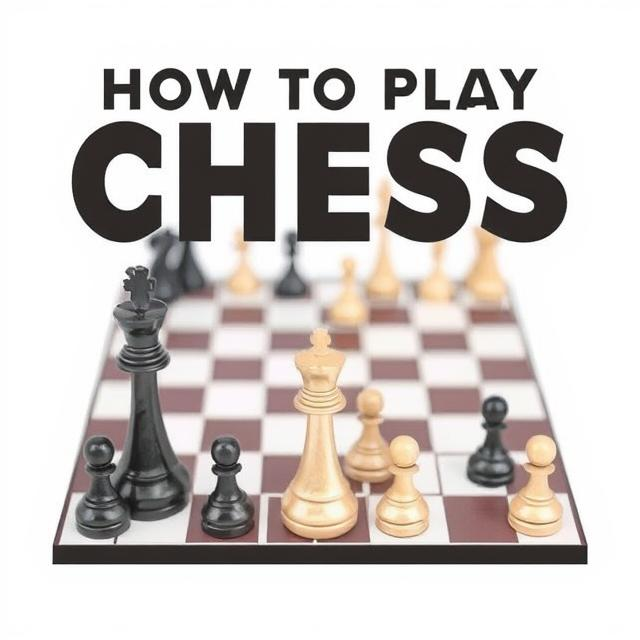
Introduction: Learning How to Play Chess
Chess is one of the oldest and most respected games in the world. It’s a game of strategy, skill, and concentration, played by millions of people worldwide. Whether you’re looking to improve your focus, challenge your mind, or simply enjoy a classic pastime, learning how to play chess is an excellent choice.
In this article, we’ll explore the basics of chess, teach you how to play chess, and provide tips to enhance your skills. Whether you’re a beginner or looking to refresh your knowledge, this guide will walk you through everything you need to know about this fascinating game.
What Is Chess?
Before diving into how to play chess, let’s start with a brief introduction to the game. Chess is a two-player board game that consists of 64 squares arranged in an 8×8 grid. Each player controls 16 pieces: one king, one queen, two rooks, two knights, two bishops, and eight pawns. The objective of the game is to checkmate your opponent’s king, which means putting it in a position where it cannot escape capture.
Now, let’s explore how to play chess and understand the movement of each piece, the rules, and the overall game structure.
The Chess Board and Pieces
To begin understanding how to play chess, you first need to know the layout of the board and how the pieces move. The chessboard consists of 64 squares, alternating between light and dark colors. The squares are labeled with letters (A-H) for the files and numbers (1-8) for the ranks. Here’s an overview of each piece and its movements:
-
The King
The king is the most important piece in chess. It can move one square in any direction—horizontally, vertically, or diagonally. When learning how to play chess, remember that the king must always be protected. If the king is put into check and cannot escape, the game ends with a checkmate. -
The Queen
The queen is the most powerful piece on the board. It can move any number of squares in any direction—horizontally, vertically, or diagonally. It is often central to both offense and defense in chess, and learning how to play chess includes understanding how to use the queen effectively. -
The Rooks
Rooks move horizontally or vertically, any number of squares. There are two rooks per player, and they are especially powerful in the endgame. When learning how to play chess, you’ll often use rooks in combination with other pieces to control important squares. -
The Bishops
Bishops move diagonally across the board. Each player starts with two bishops, one for the light squares and one for the dark squares. Bishops are invaluable in controlling long-range diagonals, and knowing how to play chess includes using them to control important lines. -
The Knights
Knights move in an L-shape: two squares in one direction and then one square perpendicular to that. The knight is the only piece that can jump over others, which makes it incredibly unique. Understanding how to play chess means recognizing the value of knights in crowded positions. -
The Pawns
Pawns are the simplest pieces, but they are also the most numerous. Each player has eight pawns, which can move one square forward but capture one square diagonally. Pawns also have the option to move two squares forward on their first move. Understanding how to play chess includes knowing how pawns can be promoted to more powerful pieces when they reach the opponent’s back rank.
Basic Rules of Chess
Once you’ve familiarized yourself with the pieces and their movements, it’s time to learn the basic rules of how to play chess. Here are the key concepts you need to know:
-
The Objective
The ultimate goal in chess is to checkmate your opponent’s king, meaning the king is under attack and has no legal moves to escape. -
Turns
Players take turns making one move at a time. The player with the white pieces moves first. The game continues until one player checkmates the other’s king, or the game ends in a draw. -
Check and Checkmate
If your king is under attack, it is in “check.” You must move the king out of check or block the attack. If there is no way to protect the king from capture, it’s “checkmate,” and the game ends. -
Castling
Castling is a special move involving the king and one of the rooks. The king moves two squares towards the rook, and the rook jumps over the king to land on the opposite side. This move is allowed only if neither piece has moved previously and if the squares between them are empty. -
En Passant
En passant is a special pawn capture that can happen if a pawn moves two squares forward from its starting position and lands next to an opponent’s pawn. In this case, the opponent can capture the pawn as if it had only moved one square forward. -
Pawn Promotion
When a pawn reaches the opposite side of the board, it can be promoted to any piece except a king, usually a queen. This is a critical rule to understand when learning how to play chess, as it can turn the tide of a game.
Opening Principles in Chess
Once you understand the basic rules of how to play chess, the next step is to learn some opening strategies. The opening phase of a chess game is essential because it helps you establish control over the center, develop your pieces, and prepare for the middle game. Here are some basic opening principles:
-
Control the Center
One of the most important strategies in chess is to control the center of the board. By controlling the central squares, your pieces have more mobility and influence over the game. -
Develop Your Pieces
During the opening, it’s important to move your pieces (especially knights and bishops) toward the center and activate them. Avoid moving the same piece multiple times in the opening, as it can waste time. -
Don’t Move the Queen Early
While the queen is powerful, moving it too early can expose it to attacks and make it vulnerable. In general, it’s better to wait until the middle game to bring out the queen. -
King Safety
It’s essential to safeguard your king early in the game, usually by castling. A safe king allows you to focus on other aspects of the game without worrying about immediate threats.
The Middlegame: Strategies and Tactics
As the game progresses into the middlegame, the focus shifts from development to tactical play and strategy. To play chess effectively during this phase, you need to recognize opportunities and threats. Here are some key strategies for the middlegame:
-
Attacking the King
One of the primary objectives in the middlegame is to create threats to your opponent’s king. Whether you use your pieces to target weak squares or launch a direct attack, keeping pressure on your opponent’s king is often crucial. -
Piece Coordination
In the middlegame, it’s important to ensure that your pieces work together. For example, you might coordinate your queen and rooks to dominate a file, or combine your knights and bishops to control key squares. -
Tactical Motifs
Learn common tactical motifs like forks, pins, skewers, and discovered attacks. These tactical tools will help you exploit weaknesses in your opponent’s position and gain material advantage.
The Endgame: Concluding the Game
The endgame is the final phase of how to play chess, and it requires a different set of skills than the opening or middlegame. In the endgame, there are fewer pieces on the board, and you must focus on converting your advantage into a checkmate. Here are some tips for the endgame:
-
King Activity
In the endgame, the king becomes a powerful piece. Unlike in the opening, where you want to keep the king safe, you can use the king actively to support pawn promotion and help checkmate your opponent. -
Pawn Promotion
The ability to promote pawns to queens is often the deciding factor in the endgame. When learning how to play chess, it’s important to understand how to push your pawns while preventing your opponent from doing the same. -
Simplifying the Position
When you have a material advantage, it’s often a good idea to simplify the position by trading pieces. This reduces your opponent’s chances of counterplay and increases your chances of winning.
Conclusion: Embrace the Challenge of Chess
Now that you know the basics of how to play chess, it’s time to start practicing. Chess is a game that requires patience, strategy, and a constant desire to improve. Whether you’re playing for fun or aiming to compete at higher levels, the key to success lies in continual learning and practice.
Remember, chess is not just about winning; it’s about enjoying the process of thinking critically, making decisions, and exploring endless possibilities. So grab a board, start playing, and keep refining your skills. Who knows? One day, you might just checkmate a grandmaster.