


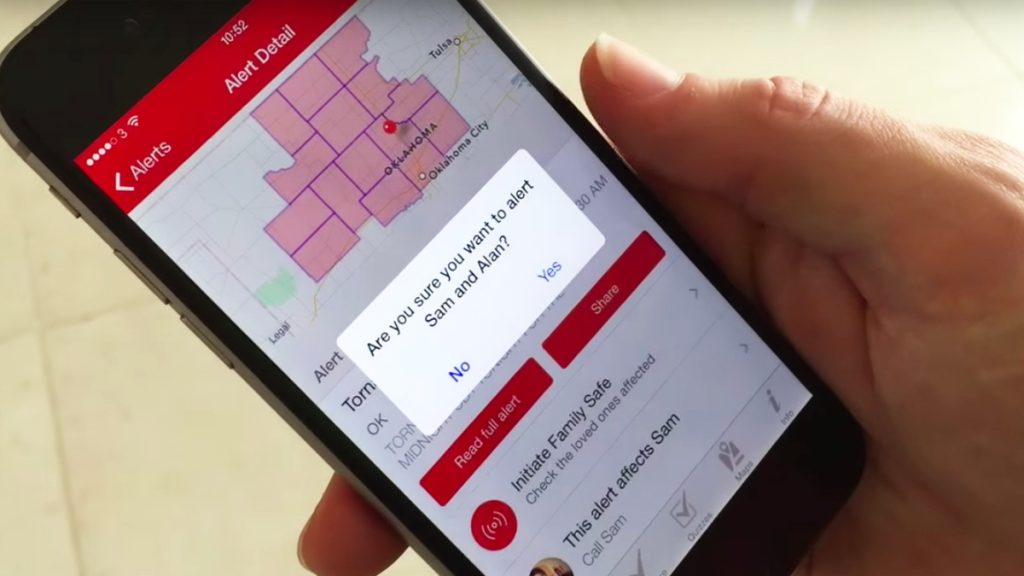
Disaster response apps are changing the way people prepare for, respond to, and recover from emergencies. In a world where natural disasters and unexpected crises can strike at any moment, having instant access to reliable information and support is critical.
Imagine receiving an early warning about a flood or earthquake directly on your phone, along with clear instructions on what to do next. That’s the power of disaster response apps, offering timely guidance that can make the difference between chaos and control.
Why Disaster Response Apps Are More Important Than Ever
The frequency and intensity of natural disasters have increased over the years, making preparedness a top priority. Governments, organizations, and communities are turning to digital solutions to enhance response efforts.
This is where disaster response apps play a vital role. They provide real-time updates, emergency alerts, and access to critical resources, helping individuals make informed decisions during high-pressure situations. These apps ensure that important information reaches people quickly and effectively.
Real-Time Alerts and Early Warnings
One of the most valuable features of disaster response apps is their ability to deliver real-time alerts. These notifications provide early warnings about potential threats, allowing users to take preventive action.
For example, during a cyclone, an app can notify users about its path, intensity, and expected impact. This timely information helps individuals prepare, evacuate if necessary, and stay safe. Such capabilities highlight how disaster response apps enhance awareness and readiness.
Connecting People to Emergency Services
During emergencies, quick access to help is crucial. Disaster response apps connect users to emergency services, enabling faster communication and coordination.
A person trapped during a disaster can use an app to send their location to rescue teams, speeding up response times. This direct connection demonstrates how disaster response apps bridge the gap between individuals and emergency responders.
Supporting Disaster Preparedness
Preparedness is key to minimizing the impact of disasters. Disaster response apps provide educational resources, safety checklists, and planning tools to help users prepare in advance.
For instance, an app might guide users on assembling emergency kits, identifying safe zones, and creating evacuation plans. These proactive measures show how disaster response apps empower individuals to be better prepared for emergencies.
Real-Life Impact and Stories
The effectiveness of disaster response apps can be seen in real-life scenarios. Consider a family receiving timely alerts about rising flood levels and evacuating safely before conditions worsen.
In another case, a stranded individual uses an app to share their location with rescue teams, leading to a quick rescue. These examples highlight how disaster response apps provide practical solutions that save lives and reduce risks.
Technology Behind Disaster Response Apps
Modern disaster response apps rely on advanced technologies such as GPS, cloud computing, and data analytics. These tools enable accurate tracking, efficient communication, and real-time updates.
For example, GPS technology helps users navigate to safe locations, while data analytics predict potential risks based on environmental conditions. This integration of technology ensures that disaster response apps deliver reliable and actionable information.
Enhancing Community Coordination
Disasters often require collective efforts for effective response and recovery. Disaster response apps facilitate community coordination by connecting individuals, volunteers, and organizations.
Users can share updates, request help, or offer assistance, creating a network of support. This collaborative approach demonstrates how disaster response apps strengthen community resilience and response capabilities.
Accessibility and Inclusivity
Accessibility is a critical factor in emergency response. Disaster response apps are designed to be user-friendly and accessible to people from different backgrounds and regions.
Multilingual support, simple interfaces, and offline features ensure that users can access information even in challenging conditions. This inclusivity highlights how disaster response apps cater to diverse populations and needs.
Challenges in Implementation
Despite their benefits, disaster response apps face challenges such as limited internet access, data accuracy, and user awareness. Ensuring that apps function effectively in low-connectivity areas is essential.
Additionally, educating users about the availability and usage of these apps is crucial for maximizing their impact. Addressing these challenges ensures that disaster response apps remain reliable and effective tools.
The Role of Governments and Organizations
Governments and organizations play a key role in developing and promoting disaster response apps. Their involvement ensures that apps are credible, up-to-date, and aligned with official emergency protocols.
For example, government-backed apps often provide verified information and direct links to emergency services. This support enhances the trust and effectiveness of disaster response apps in critical situations.
The Future of Disaster Response Apps
The future of disaster response apps is driven by innovation and technological advancements. AI, predictive analytics, and IoT integration will enhance the accuracy and responsiveness of these tools.
Imagine an app that predicts disasters based on environmental data and alerts users even before official warnings are issued. As these technologies evolve, disaster response apps will become even more powerful in safeguarding lives and communities.
Creating Safer Communities Through Technology
At their core, disaster response apps are about creating safer and more resilient communities. By providing timely information, facilitating communication, and supporting preparedness, they empower individuals to act confidently during emergencies.
A simple notification or guidance from an app can help people make life-saving decisions. This impact underscores the importance of disaster response apps in today’s world, where technology plays a crucial role in protecting lives.
Read also: