


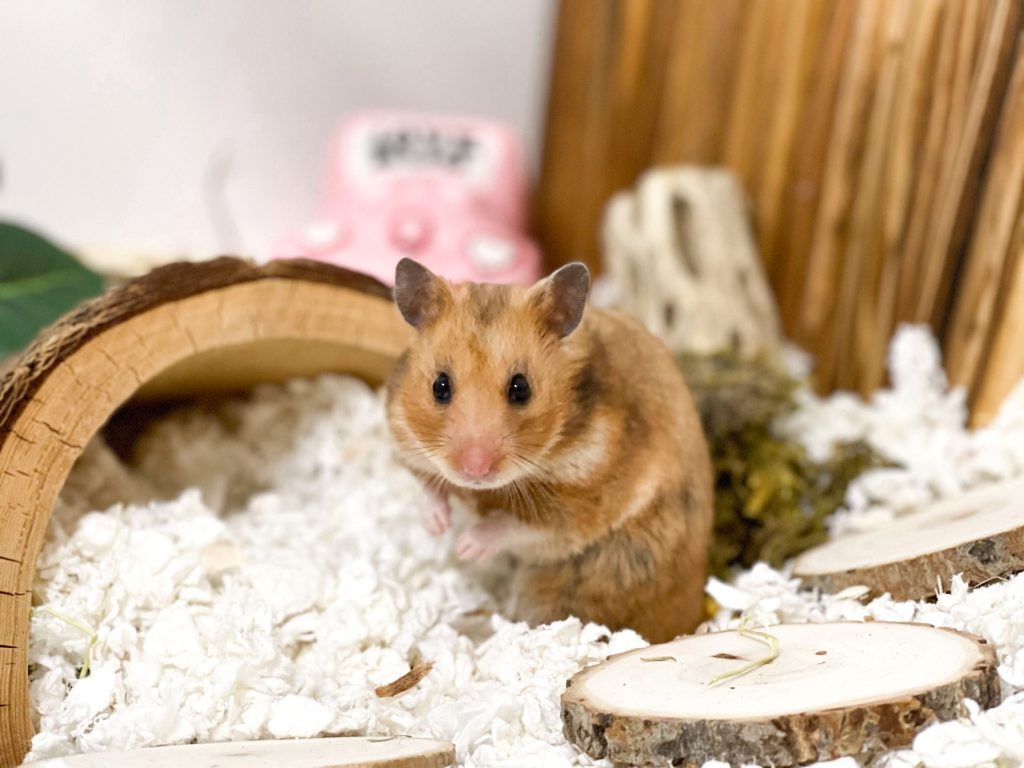
Choosing the right first pet for your child is a big decision. Many parents wonder whether a small, fluffy animal like a hamster could be the perfect introduction to pet ownership for their little one. With their tiny paws, twitching noses, and playful antics, hamsters certainly appear to be an ideal pet for toddlers at first glance. But is that really the case?
In this article, we’ll explore everything parents need to know about owning a hamster as a pet for a toddler—from the pros and cons to safety tips, care requirements, and alternative pet options. By the end, you’ll have a well-rounded perspective to help you make the best choice for your family.
What Makes a Hamster Appealing?
Let’s start with why parents might be drawn to the idea of getting a hamster for their toddler in the first place:
-
Small and manageable: A hamster is much smaller than a dog or cat, making them easier to house.
-
Low maintenance (on the surface): Compared to larger pets, hamsters seem like a low-effort choice.
-
Affordable: From purchase cost to supplies, hamsters are generally inexpensive.
-
Cute and cuddly-looking: Their adorable, soft appearance makes them especially attractive to young children.
While those reasons are valid, they don’t tell the whole story. Let’s dive deeper into what owning a hamster really entails—especially in the hands of a curious and energetic toddler.
Are Hamsters Safe for Toddlers?
Safety is the first priority when introducing any animal to a child. While hamsters are generally not dangerous, they may not be the best match for toddlers for a few important reasons:
1. Fragility
Hamsters are tiny, delicate creatures. A toddler’s well-intentioned but uncoordinated grip can accidentally squeeze or drop the animal, which could cause injury to both the hamster and the child.
2. Biting Behavior
When startled, woken up, or mishandled, a hamster may bite. Though their bites aren’t dangerous, they can be painful and frightening for a small child.
3. Nocturnal Habits
Most hamsters are nocturnal or crepuscular, meaning they are most active at night. This can lead to disappointment for toddlers who want to interact with their pet during the day.
4. Speed and Agility
Once out of the cage, a hamster can quickly escape or hide in small spaces. Toddlers may not be able to react quickly or gently enough to manage such a fast and squirmy pet.
Do Toddlers Benefit from Having a Hamster?
While hamsters aren’t the most toddler-friendly pet, there are still some benefits to having one in the home:
Teaches Responsibility (with help)
Even if a toddler can’t care for a hamster independently, being involved in feeding and cleaning routines teaches valuable lessons about empathy and responsibility.
Encourages Gentle Touch
Learning how to pet and handle a small animal can help toddlers develop fine motor skills and understand boundaries.
Sparks Curiosity and Observation
Watching a hamster dig tunnels, use a wheel, or store food in its cheeks provides hours of entertainment and opens doors for early learning about animals and behavior.
However, it’s important to note that these benefits are best realized with active parental supervision and involvement.
How Much Work Is a Hamster, Really?
While they may seem like a low-maintenance pet, hamsters require daily care and attention:
Cage Cleaning
Hamster cages should be cleaned weekly, with spot cleaning done more frequently. Bedding, droppings, and leftover food must be removed to prevent odor and illness.
Fresh Food and Water
A hamster needs fresh water daily, plus a balanced diet of commercial pellets, fresh fruits, vegetables, and occasional treats.
Enrichment and Exercise
To stay healthy and happy, a hamster needs stimulation—wheels, tunnels, chew toys, and time outside of its cage (in a safe, enclosed area).
Sleep Schedule Respect
Toddlers may want to interact with the hamster during the day, but waking a sleeping hamster can lead to stress and biting.
So while a hamster doesn’t need walks or baths like a dog, they still require consistent care that’s typically too advanced for a toddler to manage alone.
What Kind of Hamster Is Best for Families?
If you decide a hamster is right for your household, consider the species carefully. Some hamsters are more tolerant and docile than others:
Syrian Hamsters (Golden Hamsters)
-
Best for beginners
-
Tend to be more friendly and easier to tame
-
Should live alone (they’re territorial)
-
Larger, making them a bit easier to handle
Dwarf Hamsters (Roborovski, Campbell’s, Winter White)
-
Smaller and faster, which can make handling tricky
-
Can be more social (sometimes housed in pairs or groups)
-
May nip more than Syrians
For families with toddlers, a Syrian hamster is usually the best option, given their size and more predictable temperament.
Tips for Introducing a Hamster to a Toddler
If you decide to bring a hamster into your home, setting expectations and boundaries is key to a successful relationship between your toddler and the pet.
Talk About the Hamster’s Needs
Use simple language to explain that the hamster needs gentle touches, quiet time, and rest during the day.
Limit Handling at First
Let your toddler watch the hamster through the cage at first. Gradually introduce supervised interaction.
Teach Gentle Touch
Practice “soft hands” with stuffed animals or other gentle pets first, then apply the same approach with the hamster.
Choose Interaction Times Wisely
Try to schedule hamster playtime in the evening when it’s naturally more active—and your toddler isn’t too tired.
Make It a Family Responsibility
Frame the hamster as a “family pet” instead of a pet solely for your toddler. This sets realistic expectations and ensures consistent care.
Alternatives to a Hamster for Toddlers
If you’re hesitant about a hamster, here are a few alternative pets that might be a better fit for toddlers:
Fish
-
Calm and visually stimulating
-
Low interaction, but easy to observe
-
Teaches basic feeding responsibilities
Turtles (depending on the species and age)
-
Interesting to watch
-
Require a specific setup but minimal handling
-
Good for learning about reptiles
Rabbits (for older toddlers with supervision)
-
More social and interactive than hamsters
-
Can be litter trained
-
Require more space and care but can form strong bonds
Budgies or Canaries
-
Musical and colorful
-
Toddlers enjoy listening and watching them
-
Require cage cleaning and social interaction but little handling
If you’re set on small mammals, guinea pigs are often a better choice than hamsters for families with young children. They are larger, gentler, and more likely to enjoy human interaction.
Final Verdict: Is a Hamster a Good Pet for a Toddler?
In most cases, a hamster is not an ideal pet for a toddler on their own. Their fragility, nocturnal nature, and the need for gentle handling make them more suited to older children (6+) or families who can commit to close supervision and care.
That said, if parents are willing to take on the primary care responsibilities and include the toddler in age-appropriate ways, a hamster can still be a valuable and educational addition to the household.
Best case: A hamster is a great “family pet” with shared responsibility.
Not ideal: As a solo pet for an unsupervised toddler.
Before you bring any pet home, consider your child’s maturity level, your time and resources, and the long-term commitment involved. Sometimes, waiting a couple more years until your child is ready for more responsibility might be the wisest—and kindest—choice for both the child and the hamster.
Know More: