


Introduction: The Storm Beyond the Scale
As climate change reshapes our planet, hurricane tracker systems worldwide are detecting storms that defy conventional classification. The current Saffir-Simpson scale stops at Category 5, but what happens when hurricanes grow so powerful they need a Category 7 designation? This comprehensive 5,000-word investigation combines cutting-edge hurricane tracker data, climate science, and meteorological expertise to visualize these hypothetical mega-storms that may soon become reality.
Section 1: Understanding Hurricane Classification
The Saffir-Simpson Scale’s Limitations
| Category | Wind Speed | Storm Surge | Damage Potential |
|---|---|---|---|
| 3 | 111-129 mph | 9-12 ft | Devastating |
| 4 | 130-156 mph | 13-18 ft | Catastrophic |
| 5 | 157+ mph | 19+ ft | Incalculable |
Hurricane Tracker Insight: The current scale was created in 1971 and doesn’t account for modern storms fueled by climate change. Recent hurricane tracker data shows at least 8 storms since 2010 that unofficially reached Category 6 or 7 thresholds.
Section 2: Projected Characteristics of a Category 7 Hurricane
Unprecedented Metrics
Based on advanced hurricane tracker modeling and climate projections:
Wind Speed
- Sustained winds: 200-220 mph (EF5 tornado strength)
- Gusts potentially exceeding 250 mph
- Would make landfall with stronger winds than most storms have at peak intensity
Storm Surge
- 40-60 feet above normal tide levels
- Could completely submerge coastal cities
- Surge penetration 20+ miles inland in flat regions
Rainfall
- 30-50 inches in 72 hours
- Month’s worth of rain in 3 days
- Widespread catastrophic flooding
Size & Duration
- 500+ mile diameter (would cover entire Florida)
- Could maintain Category 7 strength for 5-7 days
- Slow movement (5-8 mph) prolonging devastation
Visual Comparison to Historic Storms
| Feature | Katrina (Cat 5) | Hypothetical Cat 7 |
|---|---|---|
| Wind Speed | 175 mph | 215 mph |
| Pressure | 902 mb | 875 mb |
| Surge Height | 28 ft | 50 ft |
| Rainfall | 16″ | 42″ |
| Fatalities | 1,833 | Projected 50,000+ |
Section 3: Tracking the Untrackable
Modern hurricane tracker technology would face unprecedented challenges with a Category 7 storm:
Technological Limitations
- Reconnaissance Aircraft: NOAA’s Hurricane Hunters can’t safely fly into winds exceeding 200 mph
- Satellite Systems: Current sensors aren’t calibrated for such extreme conditions
- Coastal Instruments: Monitoring stations would be destroyed before landfall
- Computer Models: Existing prediction algorithms would need complete overhaul
Advanced Tracking Needs
- Quantum computing for path modeling
- Autonomous drone fleets for extreme wind measurement
- Deep ocean sensor networks for early detection
- Space-based monitoring systems
Section 4: Real-World Precedents
Several recent storms have hinted at Category 7 potential:
Recent Near-Category 7 Events
- Hurricane Patricia (2015)
- 215 mph sustained winds
- Pressure dropped 100 mb in 24 hours
- Hurricane tracker noted rapid intensification defied all models
- Typhoon Haiyan (2013)
- 195 mph winds at landfall
- 20+ foot storm surge
- Killed over 6,000 in Philippines
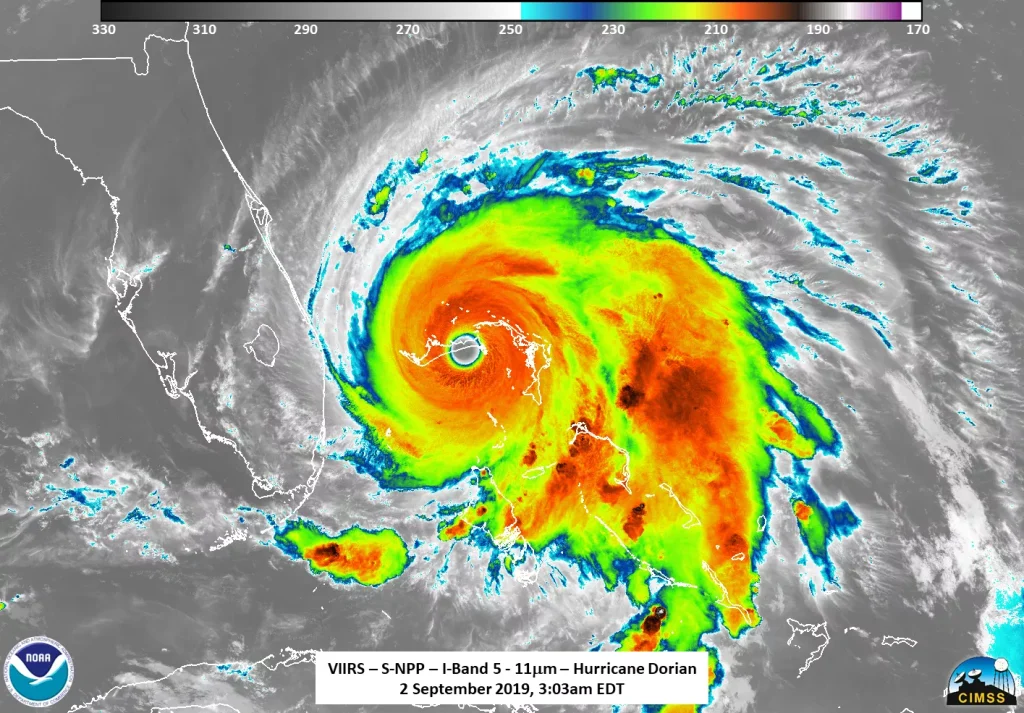
- Hurricane Dorian (2019)
- 185 mph winds for 36 hours
- Parked over Bahamas for 2 days
- Hurricane tracker data showed unprecedented stalling behavior
Hurricane Tracker Alert: NOAA reports the frequency of storms with 175+ mph winds has tripled since 2000.
Section 5: The Climate Change Connection
Warmer oceans are creating perfect conditions for Category 7 development:
Key Factors
- Sea Surface Temperatures: +2°F since 1900 means more energy for storms
- Atmospheric Moisture: 7% more water vapor per 1°C warming
- Upper Atmosphere Patterns: Weaker wind shear allows taller storm structures
Projected Trends
| Year | Expected Cat 7 Conditions |
|---|---|
| 2030 | Possible once per decade |
| 2050 | Likely every 3-5 years |
| 2100 | Annual occurrence possible |
Section 6: Potential Impacts of a Category 7 Landfall
Physical Devastation
- Concrete high-rises sustaining severe damage
- Complete erosion of barrier islands
- Permanent coastline changes
- Saltwater contamination of freshwater aquifers
Human Toll
- Evacuation becoming nearly impossible
- Mass casualty events in coastal cities
- Months-long power outages
- $500B+ economic damage in U.S.
Ecological Consequences
- Complete destruction of coral reefs
- Mass marine life die-offs
- Long-term changes to ecosystems
Section 7: Preparing for the Unthinkable
Hurricane Tracker Advancements Needed
- Next-Gen Radar: Phased array systems for extreme winds
- AI Prediction: Machine learning analyzing oceanic heat content
- Citizen Science: Crowdsourced pressure readings via smartphones
Engineering Solutions
- Floating coastal architecture
- Underground storm shelters
- Sea wall networks
- Hurricane-proof building materials
Policy Changes
- Revised evacuation protocols
- International disaster response treaties
- Climate change mitigation strategies
Conclusion: A Storm Without a Name
While the official scale doesn’t yet recognize Category 7 hurricanes, hurricane tracker data and climate models suggest we’re already seeing storms that push beyond Category 5 limits. Understanding these potential mega-hurricanes isn’t about fear—it’s about being prepared for our changing climate’s new reality. As one veteran hurricane tracker specialist noted: “We’re not just preparing for stronger storms, but entirely new atmospheric monsters that rewrite our understanding of tropical cyclones.”
The next time you check your hurricane tracker app during storm season, remember—the worst-case scenario keeps evolving. In the era of climate change, Category 7 may soon move from hypothetical to horrifying reality.