
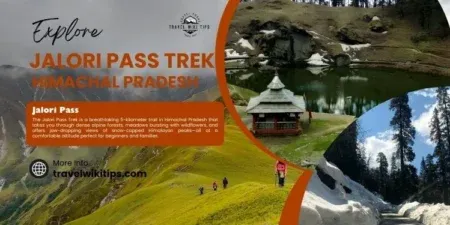
Adventure travel can mean many different things depending on the destination, season, and comfort level. travelwikitips.com can help readers explore adventure destinations, outdoor activities, travel planning, hiking ideas, road journeys, nature experiences, and practical preparation. Some travelers prefer gentle walks through forests, while others look for mountain trails, water activities, camping areas, or challenging outdoor routes. The common part is usually a desire to experience places more actively instead of simply visiting famous attractions for a short time. Adventure does not always require extreme physical effort because even a new landscape can provide a different kind of travel experience. A coastal walk, forest trail, desert visit, cycling route, or mountain viewpoint can feel adventurous when the environment is unfamiliar. Planning becomes especially important when travel involves remote areas, changing weather, uneven terrain, or limited services. Travelers should think about transportation, local conditions, clothing, food, communication, maps, and emergency arrangements before leaving. Weather forecasts deserve attention because conditions can change quickly in mountain, coastal, forest, and desert environments. Fitness also matters because an activity that looks easy online may feel very different after several hours outside. People should choose experiences that match their physical ability and previous outdoor experience. Local rules and environmental restrictions should also be checked before visiting natural areas. Good adventure travel balances excitement with sensible preparation. The goal is to enjoy the surroundings while avoiding preventable problems caused by poor planning. A thoughtful trip can still feel spontaneous without ignoring basic safety and practical details.
Choosing The Right Adventure
Choosing an adventure begins with understanding personal interests, fitness, time, and comfort preferences. Travelers who enjoy walking may prefer hiking trails, while others may feel more interested in cycling, kayaking, climbing, wildlife observation, or scenic road journeys. The difficulty level should be checked carefully because activity descriptions can use different terms for similar experiences. A route described as moderate may feel demanding when temperatures are high or elevation changes are significant. Distance alone does not explain difficulty because steep terrain, loose surfaces, weather, and altitude can all increase physical demands. Beginners should consider shorter activities before attempting long or technically difficult routes. This creates useful experience without making the first adventure unnecessarily exhausting. Travelers should also think about whether they want a guided experience or prefer independent exploration. Guides can provide local knowledge, route awareness, equipment support, and useful information about changing conditions. Independent travel may provide more freedom but usually requires greater personal responsibility for navigation and preparation. Group activities can also be useful because they offer companionship and shared planning. Solo adventures require additional attention to communication, route information, and emergency arrangements. Travelers should be realistic about how much activity they actually want during a trip. Combining an intense outdoor activity with adequate recovery time can make the overall journey more enjoyable. Trying to complete too many demanding activities within a short trip can create unnecessary fatigue. The best adventure is not always the most difficult one available. It is usually the experience that matches the traveler’s interests while remaining physically and practically manageable. Choosing carefully creates confidence and allows more attention to the destination itself.
Planning Around Weather
Weather can change an outdoor adventure more quickly than almost any other travel factor. A route that feels comfortable under mild conditions can become difficult during heavy rain, strong wind, extreme heat, or sudden temperature changes. Travelers should check forecasts close to departure and continue monitoring conditions when the activity lasts several days. Mountain areas deserve particular attention because weather can change rapidly with elevation. Coastal locations can also experience strong winds, rough water, or sudden rain that changes outdoor conditions quickly. Desert environments may remain extremely hot during the day while becoming surprisingly cold after sunset. Clothing should therefore match the actual conditions rather than the traveler’s assumptions about the destination. Layering can provide useful flexibility because temperatures may change throughout the day. Waterproof outer layers can help during wet conditions, while sun protection becomes important during strong exposure. Footwear should also match the terrain and weather because slippery or uneven surfaces can create problems quickly. Travelers should avoid starting long routes when forecasts show dangerous conditions that could make the return difficult. Local authorities may close trails, roads, parks, or activity areas during severe weather, and those instructions should be followed. Flexible plans are useful because changing the activity may be safer than continuing with an unsuitable route. Travelers should also understand that weather forecasts become less certain farther into the future. Checking conditions shortly before departure gives more useful information than relying on an old forecast from several days earlier. Good weather planning does not remove uncertainty completely. It simply helps travelers recognize when conditions are suitable and when changing plans would be wiser.
Packing For Outdoor Days
Packing for adventure travel requires practical thinking because carrying too much can become as inconvenient as forgetting something important. Travelers should begin with the activity itself because a hiking trip requires different equipment from a beach excursion or cycling journey. Comfortable footwear usually deserves high priority because many outdoor activities involve significant walking or uneven ground. Clothing should be suitable for expected temperatures and should allow natural movement during the activity. Extra layers can become useful when weather changes unexpectedly. A lightweight rain layer can provide protection without taking much space inside a day bag. Sun protection can include suitable clothing, sunglasses, and a hat depending on the destination. Reusable water containers can help travelers manage hydration while reducing unnecessary disposable packaging. Snacks can also be useful during longer outdoor activities, particularly when food services are limited along the route. A small first-aid kit may help with minor cuts, blisters, or basic discomfort while traveling. Travelers should also carry essential personal items, identification, communication devices, and any required medication. Navigation tools deserve attention because mobile coverage may not exist in remote places. Downloaded maps or suitable offline navigation options can provide useful backup when signals disappear. Portable chargers can become helpful during long days away from accommodation. Packing should remain simple enough that the traveler can comfortably carry everything required. The exact equipment should depend on the activity rather than following a generic checklist without thought. Travelers should review conditions, distance, facilities, and local requirements before deciding what to carry. Efficient packing reduces physical strain and makes outdoor movement much more comfortable.
Understanding Trail Conditions
Trail conditions can vary significantly even when photographs make a route look easy and familiar. Dirt paths may become muddy after rain, while rocky surfaces can create greater demands on footwear and balance. Routes through forests may include roots, uneven ground, fallen branches, and narrow sections that slow progress. Mountain trails can contain steep inclines, exposed areas, loose stones, and rapid elevation changes. Travelers should read current route descriptions rather than relying only on old travel posts or photographs. Local hiking groups, park authorities, and official visitor centers may provide more recent information about closures or difficult sections. Trail markings should be followed carefully because wandering away from the planned route can create unnecessary problems. Travelers should avoid damaging natural areas by creating unofficial shortcuts across vegetation or protected sections. Staying on designated paths helps protect the environment while also making navigation easier. Distance estimates should include rest breaks because actual travel time is usually longer than simply dividing distance by walking speed. Elevation gain can greatly influence the required effort, especially for travelers unfamiliar with mountain terrain. Water availability should also be confirmed before starting because not every route has reliable refill points. Travelers should understand their turnaround point and avoid continuing when time, weather, or physical condition makes the return uncertain. A route can be enjoyable without being completed to the very end. Turning around early can be a sensible decision when circumstances change. Good trail awareness comes from observing conditions throughout the activity rather than relying entirely on the original plan. Outdoor routes are living environments, not fixed indoor attractions.
Trying Water Adventures
Water-based adventures can be exciting while requiring additional awareness of weather, currents, equipment, and local conditions. Activities such as kayaking, paddleboarding, rafting, snorkeling, and other water experiences vary greatly in difficulty. Beginners should choose locations and activities that provide suitable instruction and equipment when necessary. Water conditions can change rapidly because of wind, tides, rainfall, currents, and seasonal patterns. Travelers should understand local guidance before entering rivers, lakes, coastal areas, or other waterways. Life jackets and other suitable protective equipment should be used according to the activity and local requirements. People should also consider swimming ability honestly instead of assuming that calm-looking water is automatically safe. Coastal conditions can become challenging even when the shoreline appears peaceful. Rivers can contain stronger currents than expected, especially after heavy rain upstream. Guided activities can provide additional support when travelers lack local knowledge or technical experience. Travelers should avoid entering unfamiliar water environments alone without understanding local risks. Weather can also create sudden changes that make returning to shore more difficult. Waterproof storage can protect important personal items such as phones, identification, and keys during water activities. Travelers should also understand where equipment should be returned and how local operators handle cancellations during unsafe conditions. A good water adventure combines enjoyment with respect for the environment and the natural forces involved. The best activities provide excitement while allowing participants to understand their limits clearly. Travelers can gain confidence gradually through supervised experiences before attempting more demanding water routes independently.
Exploring By Bicycle
Cycling adventures can provide a different way to experience a destination because travelers cover more ground than walking while remaining close to the surrounding environment. Routes can range from easy urban paths to challenging mountain roads depending on the destination. Travelers should select routes according to cycling ability, distance, elevation, road conditions, and expected weather. A rental bicycle should be checked before departure for brakes, tires, gears, lights, and general condition. Helmet use should follow local requirements and sensible personal safety practices. Travelers should understand whether the route shares space with vehicles or pedestrians because road conditions can change considerably between destinations. Dedicated cycling paths may provide a more comfortable experience for beginners than busy roads. Water and snacks become important during longer rides, particularly in warm conditions. Navigation should be planned because cycling routes can include confusing intersections and areas with limited mobile coverage. Travelers should also confirm where bicycles can be parked or secured at attractions and accommodation. Weather matters because strong wind or heavy rain can turn an easy route into a difficult journey. Mechanical issues can also create problems far from rental locations, so basic repair support may be useful. Travelers should avoid setting unrealistic distances during unfamiliar trips because stops for photographs, navigation, and rest can increase total travel time. Cycling can become especially enjoyable when the route includes scenic viewpoints, villages, forests, or coastal paths. The journey itself becomes part of the experience rather than simply transportation between attractions. A good cycling route balances scenery, physical effort, road conditions, and available time.
Making Camping More Comfortable
Camping can create a strong connection with nature while requiring more practical preparation than ordinary accommodation. Travelers should choose a campsite that allows camping legally and understand the rules before arriving. Some areas require advance reservations, while others operate on a first-come basis. Weather conditions should be considered when selecting shelter, clothing, sleeping equipment, and cooking arrangements. A suitable tent should match the expected conditions and the number of people using it. Sleeping equipment should provide enough insulation for nighttime temperatures because evenings can become colder than expected. Travelers should also understand where water and food can be obtained or stored safely. In some locations, food storage requires special precautions because animals may be attracted to smells. Waste should be managed carefully and removed according to local rules. Campfires may be restricted or prohibited depending on weather and environmental conditions. Travelers should use designated fire areas when permitted and avoid creating new fire spots in sensitive environments. Lighting becomes important after dark, making a reliable headlamp or flashlight useful. Campsites should be kept organized so important items remain easy to find. Travelers should also understand emergency access before settling into a remote campsite. Informing someone about the general route and expected return time can provide useful additional awareness during remote trips. Camping does not need to involve expensive equipment to feel enjoyable. Basic, suitable gear and careful planning often matter more than having every available outdoor product. A comfortable campsite allows travelers to focus on the surrounding landscape rather than constantly solving preventable problems.
Exploring Mountains Responsibly
Mountain destinations can offer extraordinary views while creating additional physical and environmental challenges. Elevation changes can make ordinary walking feel more demanding, particularly for travelers who are not accustomed to higher altitudes. Routes should therefore be selected according to fitness, experience, weather, and available time. Travelers should understand that distance and elevation gain affect effort differently. A short route with steep climbing can require more energy than a longer route across mostly level ground. Weather can change rapidly in mountain environments, so forecasts should be checked close to departure. Proper layers are useful because temperatures can vary significantly between valleys, exposed ridges, and higher viewpoints. Footwear should provide suitable grip for the surface conditions. Travelers should carry enough water and understand whether reliable refill points exist along the route. Navigation becomes especially important when trails are less obvious or visibility decreases. People should avoid leaving marked paths unless they have the appropriate experience and local knowledge. Mountain environments can also contain fragile vegetation and wildlife habitats that need protection. Travelers should carry waste back out and avoid disturbing animals or plants. Some mountain areas have local regulations concerning camping, access, fires, or protected zones. These rules are important for both safety and conservation. Travelers should also understand their own limits and avoid allowing a planned destination to become more important than changing conditions. Turning around can be the correct decision when weather or fatigue makes continuation unreasonable. Mountain travel becomes more rewarding when travelers respect the environment and approach physical challenges with patience rather than unnecessary speed.
Planning Road Adventure Routes
Road adventures allow travelers to combine scenic exploration with flexibility because the route can include several locations within one journey. Planning should include realistic driving times instead of assuming that every hour can be spent moving continuously. Scenic roads often take longer because travelers stop for viewpoints, meals, photographs, short walks, and local attractions. Vehicle condition deserves attention before departure, particularly when the route passes through rural or remote areas. Fuel availability should also be checked because service stations may be widely spaced outside populated regions. Travelers should download useful maps or navigation information in case mobile coverage becomes weak. Road conditions can vary significantly between highways, mountain roads, village routes, and remote tracks. Drivers should avoid unfamiliar roads that exceed their experience, particularly when weather makes visibility or traction poor. Accommodation should be considered when long driving days are involved because fatigue can affect concentration. Breaks should be planned rather than treated as optional when the journey involves several hours behind the wheel. Local traffic rules should always be followed because regulations can differ between regions. Travelers should also understand parking conditions at popular attractions because limited spaces can change how long a stop realistically takes. Road adventures become more enjoyable when the itinerary includes free time instead of being packed with fixed arrival targets. Unexpected discoveries can be part of the experience when the route remains flexible. However, remote travel still requires enough preparation for fuel, food, communication, and basic emergencies. A good road adventure balances freedom with sensible planning. The route should support exploration without creating unnecessary pressure to reach every planned location.
Finding Wildlife Experiences
Wildlife adventures can provide memorable outdoor experiences, but animals should always be observed respectfully. Travelers should choose reputable parks, reserves, guides, and conservation areas that follow local environmental rules. Wild animals should not be approached closely, fed, chased, or disturbed simply to create better photographs. Quiet observation often produces a better experience because animals behave more naturally when people maintain appropriate distance. Guides can provide useful information about local species, seasonal behavior, and suitable observation points. Travelers should follow instructions carefully because local professionals understand conditions that visitors may not recognize. Binoculars can become useful when animals need to be observed from a safe distance. Camera equipment should not be used to justify moving closer than recommended. Bright lights, loud noises, and sudden movement can disturb wildlife in certain environments. Travelers should also understand that sightings are never guaranteed because animals move independently and may remain hidden. A successful wildlife trip therefore depends on patience rather than expecting a specific encounter. Protected areas may have rules concerning food, waste, clothing, vehicles, or walking routes. These restrictions help protect both animals and visitors. Travelers should avoid taking natural objects or disturbing habitats during wildlife activities. Responsible tourism can support conservation by contributing to local protected areas and guiding services that depend on healthy ecosystems. Visitors should also learn a little about the destination’s wildlife before arriving. Understanding basic species behavior can make observations more meaningful. Wildlife travel becomes more rewarding when travelers respect the animals rather than treating them as attractions that exist for photographs.
Handling Remote Destinations
Remote destinations require additional planning because services may be limited or unavailable. Travelers should research transportation, food access, communication coverage, medical facilities, accommodation, weather, and route conditions before departing. Mobile phone signals can disappear in remote areas, so travelers should consider alternative communication methods when appropriate. Offline maps become particularly useful when internet access is unreliable. Travelers should also tell someone about their planned route and expected return when visiting isolated areas. Carrying enough water and food is important because nearby shops may not exist. Fuel planning becomes more important during remote road journeys because the next station can be much farther away than expected. Weather changes may also become more serious because there may be fewer sheltered locations nearby. Travelers should remain flexible when conditions change instead of forcing the original plan. Local guides can provide useful information about roads, trails, wildlife, seasonal access, and community expectations. Visitors should respect local customs because remote communities may have different practices and sensitivities from those familiar to tourists. Waste should be carried out when proper disposal services are unavailable. Travelers should avoid damaging natural surfaces or creating unofficial campsites. Emergency planning deserves attention because help may take longer to reach distant locations. People should carry basic first-aid supplies and understand the nearest reliable point of assistance. Remote travel can feel more rewarding because landscapes are often quieter and less crowded. However, the same isolation that creates the appeal also increases the importance of preparation. Good planning creates freedom because travelers can explore confidently without depending on services that may not exist.
Conclusion
Adventure travel becomes more enjoyable when excitement is supported by practical preparation. Hiking, cycling, camping, water activities, wildlife experiences, mountain journeys, road routes, and remote destinations all require different levels of planning, but the same basic habits remain useful. Travelers should understand their physical limits, check weather conditions, carry suitable equipment, follow local rules, and respect natural environments.
A successful adventure does not have to involve the most extreme activity available. A scenic trail, quiet cycling route, well-planned road journey, or carefully chosen outdoor experience can provide just as much satisfaction when it matches personal interests and ability. Good preparation also leaves more room to enjoy the destination without unnecessary stress.
For readers interested in adventure travel, outdoor activities, scenic routes, hiking preparation, camping ideas, wildlife experiences, mountain trips, and practical travel planning, continue exploring dependable information and checking local conditions carefully. Explore useful travel inspiration through travelwikitips.com, plan thoughtfully, respect the places you visit, and make every outdoor journey safer, more comfortable, and more memorable.
Read also :-