
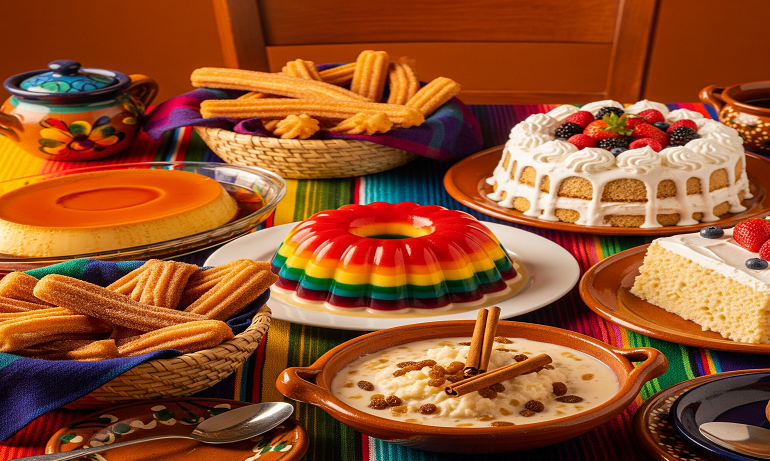
Homemade desserts can turn ordinary ingredients into something genuinely enjoyable when a little care goes into the preparation. On flavorfulmenu.com, dessert lovers can discover practical ideas for making sweet treats more flavorful, attractive, and satisfying without relying on complicated techniques. A good dessert does not always need expensive ingredients or professional equipment. Sometimes, the difference comes from choosing ripe fruit, measuring ingredients correctly, or allowing a cake enough time to cool before serving. Small details matter more than many beginners expect, especially when preparing familiar favorites at home.
Choose Fresh Quality Ingredients
The ingredients used in a dessert have a direct effect on its final taste. Fresh milk, good quality butter, ripe fruit, and properly stored chocolate can improve a recipe without requiring major changes. When ingredients taste better individually, their flavors usually become more noticeable in the finished dessert. This is particularly important for recipes containing only a few main components, such as fruit salads, chocolate mousse, or simple vanilla pudding.
Freshness matters when choosing fruits for pies, cakes, and other baked treats. Strawberries should smell pleasant, bananas should be ripe enough for sweetness, and apples should remain firm when they are sliced. Frozen fruit can also work well, although some varieties release extra moisture during cooking. Checking the condition of ingredients before starting helps avoid disappointing results later.
Measure Ingredients With Care
Baking requires more accurate measurements than many everyday cooking methods. Adding too much flour can make a cake dense, while excess liquid may leave the center unpleasantly wet. Sugar also affects texture, moisture, and browning, so reducing it without considering the recipe can change the result. Using measuring cups carefully or weighing ingredients with a kitchen scale helps maintain consistency between batches.
Temperature deserves attention as well. Butter that is too cold may not combine properly with sugar, while melted butter can produce a different texture from softened butter. Eggs often blend more easily when they are not extremely cold. Following the preparation instructions gives ingredients a better chance of combining correctly. Once the basic method becomes familiar, small adjustments become easier to understand.
Balance Sweetness And Flavor
A dessert should taste sweet enough to feel enjoyable without allowing sugar to overpower every other ingredient. Chocolate, fruit, cream, and spices each bring different flavors that deserve enough room to stand out. Adding more sugar does not automatically make a dessert better. In some recipes, excessive sweetness hides the natural flavor of the main ingredients and makes every bite feel similar.
A small pinch of salt can improve the flavor of chocolate brownies, cookies, and caramel desserts. Salt does not make these treats taste salty when used appropriately. Instead, it helps balance sweetness and makes certain flavors more noticeable. Vanilla extract, cinnamon, citrus zest, and cardamom can also provide depth without requiring complicated preparation. The amount should match the recipe because strong flavorings can quickly become overwhelming.
Understand Basic Baking Techniques
Learning a few basic techniques can improve homemade desserts considerably. Creaming softened butter with sugar introduces air into the mixture, which can help certain cakes develop a lighter texture. Folding whipped cream or beaten egg whites gently into a mixture helps preserve some of that air. Stirring too aggressively can remove it and create a heavier result than expected.
Oven temperature is another important detail. An oven that runs hotter than its displayed setting may brown the outside before the inside finishes cooking. Checking the dessert near the end of the recommended baking time helps prevent unnecessary overbaking. A clean toothpick inserted into a cake can provide useful information, although some recipes require a slightly moist center rather than complete dryness.
Avoid opening the oven repeatedly during the early baking stage. Sudden temperature changes can affect cakes that depend on a steady rise. Allowing the oven to preheat properly also makes results more predictable.
Give Desserts Enough Time
Patience is an underrated part of dessert preparation. A cake taken from its pan too early may break apart, while a cheesecake sliced before chilling can lose its shape. Cooling allows many baked desserts to settle and develop a more suitable texture. Although waiting can feel frustrating when something smells wonderful, rushing the final stage often creates avoidable problems.
Chilled desserts need enough time in the refrigerator to become firm. Puddings, custards, and cream-based sweets may require several hours, depending on their ingredients and thickness. Covering them properly helps prevent unwanted odors from affecting their flavor. For baked goods, cooling on a rack allows air to circulate and reduces excess moisture underneath.
Preparation can become easier when desserts are planned ahead. Making a pudding the previous evening or baking cake layers earlier in the day leaves more time for decorating and serving.
Make Presentation Simple And Attractive
Dessert presentation can improve the overall experience without requiring elaborate decorations. A neatly sliced cake, a clean serving plate, and a small amount of fresh fruit can make a homemade treat look more inviting. The decoration should support the dessert instead of covering its appearance completely. Too many toppings may create unnecessary sweetness or distract from the main flavor.
Texture also adds interest to a finished dessert. Smooth pudding served with crunchy nuts creates a noticeable contrast, while warm apple crumble becomes more enjoyable with a cool spoonful of ice cream. Chocolate shavings, toasted coconut, and crushed biscuits can provide similar variety when they suit the recipe.
Portion size matters when serving guests. Smaller portions allow people to enjoy rich desserts without feeling overwhelmed. For family gatherings, arranging several different sweets on one platter can offer variety while keeping serving simple.
Store Sweet Treats Properly
Correct storage helps desserts retain their flavor and texture after preparation. Cookies generally need an airtight container to prevent them from becoming stale, while delicate cream-filled pastries require refrigeration. Cakes should be stored according to their ingredients rather than treated as though every variety has identical needs. Fresh fruit toppings and dairy-based fillings can spoil more quickly than plain baked goods.
Moisture can also change the texture of desserts during storage. Crisp biscuits may soften when exposed to humid air, while uncovered cakes can dry out. Keeping suitable containers available makes it easier to protect finished treats. When refrigerating desserts, allow hot foods to cool appropriately before covering and storing them, while following food safety guidance for perishable ingredients.
Freezing can help preserve some desserts for later use. Cookies, certain cakes, and unfilled pastry shells often freeze well when wrapped carefully. Labeling containers with the preparation date makes it easier to use older items first.
Conclusion
Making homemade desserts taste better usually depends on fresh ingredients, accurate measurements, balanced flavors, and enough preparation time. Simple techniques can improve familiar recipes without requiring costly equipment or advanced baking skills. Readers visiting flavorfulmenu.com can explore more ideas for creating enjoyable desserts and sweet treats at home. Start with reliable recipes, pay attention to texture, and make small adjustments after understanding the original method. With regular practice, even ordinary ingredients can produce desserts that feel thoughtful, delicious, and worth sharing.
Read also :-