
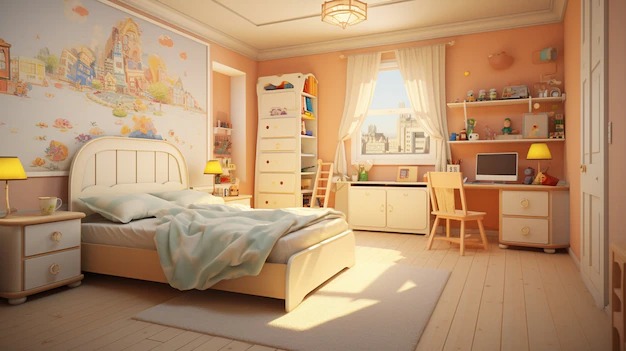
A lot of people think architecture home design is just about drawing beautiful houses, but when you actually get into real projects, it feels more like constant problem solving mixed with small creative decisions that never fully settle. You change one thing and something else reacts to it, like space, light, or even how people move inside rooms. It is not a straight process at all. It bends and shifts until it finally becomes something livable instead of just looking good on paper.
Planning Without Overthinking Chaos
Planning a house usually starts with excitement, then slowly turns into confusion when too many options appear at once. People try to fix everything at the beginning, but that rarely works. A better approach is focusing on basic daily movement first.
How you enter the home, where you drop your things, how you move into living areas, these simple actions decide comfort more than decorative choices. If those paths feel awkward, the whole home starts feeling slightly off even if everything else looks fine.
Sometimes small adjustments like shifting a door or resizing a passage create more improvement than redesigning entire rooms. That is where real planning starts feeling practical instead of theoretical.
Light And Shadow Balance
Light is not just about brightness, it is about mood shifts throughout the day. Morning light feels soft and slow, while afternoon light can feel sharp and heavy depending on direction. Good design tries to balance both instead of controlling everything.
Windows placed without thinking about sun direction often create uneven comfort. Some rooms become too bright while others stay dark most of the time. That imbalance affects how people use spaces without them even realizing it.
Shadow is equally important. Too much direct light can make a room uncomfortable, while controlled shading creates a more stable environment. Simple elements like overhangs or angled openings can fix problems that paint and furniture cannot solve later.
Material Choices Reality Check
Materials look exciting in samples, but once installed, they behave differently in real life. Dust, heat, humidity, and usage patterns slowly change how they feel over time.
Wood brings warmth but requires maintenance. Stone feels solid but can be cold in certain spaces. Glass creates openness but also adds cleaning effort and heat issues depending on placement.
There is no perfect material set for every house. The real goal is matching materials with lifestyle instead of chasing visual trends. If maintenance becomes stressful, even beautiful surfaces start feeling like a burden.
Budget also quietly controls these decisions. Instead of putting expensive materials everywhere, balanced distribution often works better in the long run.
Space Flow And Movement
Movement inside a house is something people feel before they understand it. If walking from one room to another feels smooth, the house feels comfortable without explanation. If it feels interrupted or tight, discomfort builds slowly.
Furniture placement plays a big role in this. Even well-designed rooms can feel cluttered if objects block natural walking paths. Leaving open zones is not wasteful, it actually improves usability.
Proportions also matter. A large room without structure can feel empty, while a small well-organized room can feel complete and functional at the same time.
Many modern ideas in architecture home design try to open spaces completely, but openness without boundaries can also create confusion. So balance between openness and definition becomes necessary.
Structural Simplicity Thinking
Structure is the hidden system that supports everything, but it should not dominate visual experience. When structure is too complicated, it increases cost and reduces flexibility later.
Simple structural systems allow easier changes in future. Homes are not static, they evolve with time. Families grow, needs shift, furniture styles change, and layout adjustments become necessary.
If the structure is too rigid, even small modifications become expensive and difficult. That is why simplicity often wins in long-term usability.
Straightforward grids and predictable load paths also reduce construction mistakes, which is a practical benefit during real execution.
Design Flow And Reality Layer
This part of design is where theory meets reality. On paper, everything looks clean and organized, but once construction begins, small issues start appearing everywhere.
Walls may shift slightly, material availability may change, and even site conditions may force adjustments. This is normal, but it changes the final outcome more than people expect.
This is also where architecture home design becomes less about perfect planning and more about flexible thinking. Designers who adapt quickly usually end up with better real-world results than those who stick too strictly to initial drawings.
Small compromises here and there often create more practical homes than rigid perfection ever could.
Indoor Outdoor Connection Feel
Homes feel more natural when they are connected to outside space in some way. Even small openings toward nature or open sky make a noticeable difference in comfort.
Balconies, terraces, and small courtyards help reduce the feeling of confinement. They also allow air movement and visual relief, which is important in dense environments.
Plants add another layer of softness to interiors. They reduce harshness of concrete and glass surfaces and make rooms feel more relaxed without heavy effort.
Even small green corners inside homes can change overall mood in a quiet but powerful way.
Common Design Mistakes Made
One common mistake is copying designs from images without adapting them to real conditions. What works in one environment may fail completely in another.
Ventilation is another issue that gets ignored often. Without proper airflow, even beautiful homes start feeling uncomfortable after some time. This is usually noticed only after moving in.
Overdecoration is also a frequent problem. Too many elements in one space create visual confusion instead of comfort. Simplicity usually works better for long-term living.
Another mistake is rushing decisions during early planning stages. Those early choices are difficult to reverse later, so patience is actually a hidden advantage in design.
Practical Comfort Thinking
Comfort in homes is not just about furniture or lighting. It is about how everything works together without effort. When a space feels natural to use, it becomes part of daily routine without resistance.
Even small details like switch placement, door swing direction, or storage accessibility can change daily experience more than decorative upgrades.
Good homes are usually not noticed in a loud way. They just quietly support life without interruption. That is the real definition of practical design thinking.
Final Thoughts On Design
A good home is not created by following trends, it is created by understanding how people actually live inside spaces. Every decision, no matter how small, adds up to shape daily experience over time.
Real success in architecture home design comes from balancing simplicity, comfort, and practicality instead of chasing complex visual ideas that may not last long in real usage.
For more practical ideas and design inspiration, profixspace.com/ can be explored as a helpful reference for real-world design thinking.
In the end, the best homes are not the most complicated ones, but the ones that quietly make everyday life easier without forcing attention or effort.
Read also:-